16 Jun 2026
Digital Payment Trails Linking Layered Bonuses Across Portable Roulette Options and Stacked Wager Structures
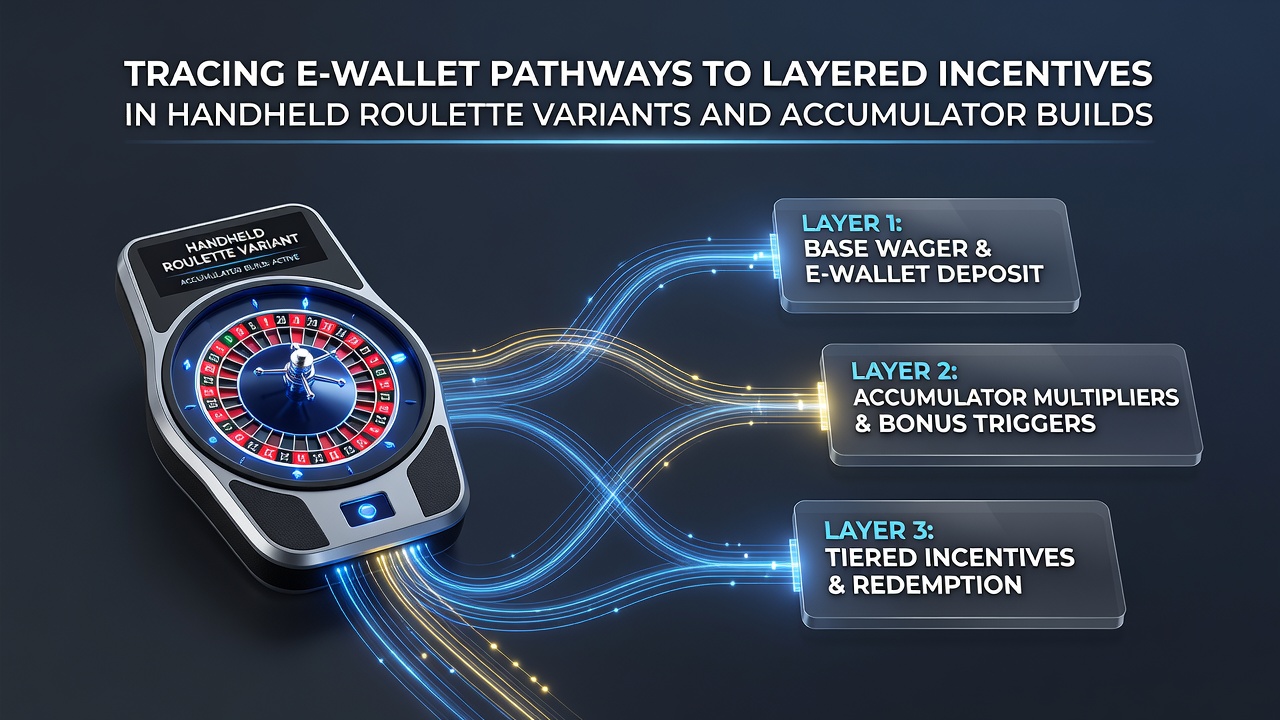
Electronic wallet systems route funds through multiple verification stages before they reach mobile roulette platforms, where operators attach tiered incentives that scale with wager volume and game variant selection. Handheld devices support European, American, and French roulette formats, each carrying distinct payout structures that combine with accumulator mechanics to multiply reward eligibility. Data from payment processors shows transaction completion times averaging under four seconds on optimized networks, which allows seamless integration of deposit-triggered promotions.
Tracing Transaction Flows in Mobile Environments
E-wallet providers establish encrypted channels that record every transfer timestamp, amount, and destination identifier, creating audit trails that gaming platforms use to validate bonus activation. Once funds arrive, algorithms assign layered incentives such as cashback percentages, free spin allocations, or enhanced odds on accumulator bets built from multiple roulette outcomes. Observers note that these pathways often include intermediate settlement nodes operated by licensed financial entities, which reduces latency while maintaining compliance records required by regional authorities.
June 2026 marks the scheduled rollout of updated interoperability standards across several Asia-Pacific markets, where regulators expect e-wallet operators to embed real-time reporting hooks directly into gaming applications. This change will let platforms automatically adjust incentive tiers based on cumulative player activity tracked through the same digital wallet used for both deposits and withdrawals.
Handheld Roulette Variants and Incentive Triggers
Portable roulette applications present single-zero, double-zero, and multi-ball configurations, each programmed to recognize specific deposit patterns from connected e-wallets. When a player selects a French roulette variant featuring la partage rules, the system may unlock an additional incentive layer unavailable in standard American versions. Research conducted by the University of Nevada's gaming laboratory indicates that mobile sessions lasting longer than twelve minutes trigger secondary bonus pools at higher rates than shorter interactions.
Accumulator builds extend this dynamic by allowing users to combine roulette results with other game types or sports outcomes inside a single betting slip. E-wallet records feed directly into the bet builder interface, where progressive multipliers activate once total stake thresholds are met. Figures released by the Canadian Gaming Association reveal that accumulator participation on mobile devices rose 18 percent year-over-year through the first quarter of 2026, driven largely by instant deposit confirmations.
Layered Reward Mechanics and Wallet Integration
Operators construct reward structures that stack across deposit size, game selection, and accumulator complexity, with each layer verified against wallet transaction logs. A first deposit might unlock a base match percentage, while a second deposit within twenty-four hours combined with an accumulator containing at least three roulette selections activates an extra cashback component. These mechanics rely on application programming interfaces that pull balance data and transaction history in real time without exposing full financial details to the gaming server.
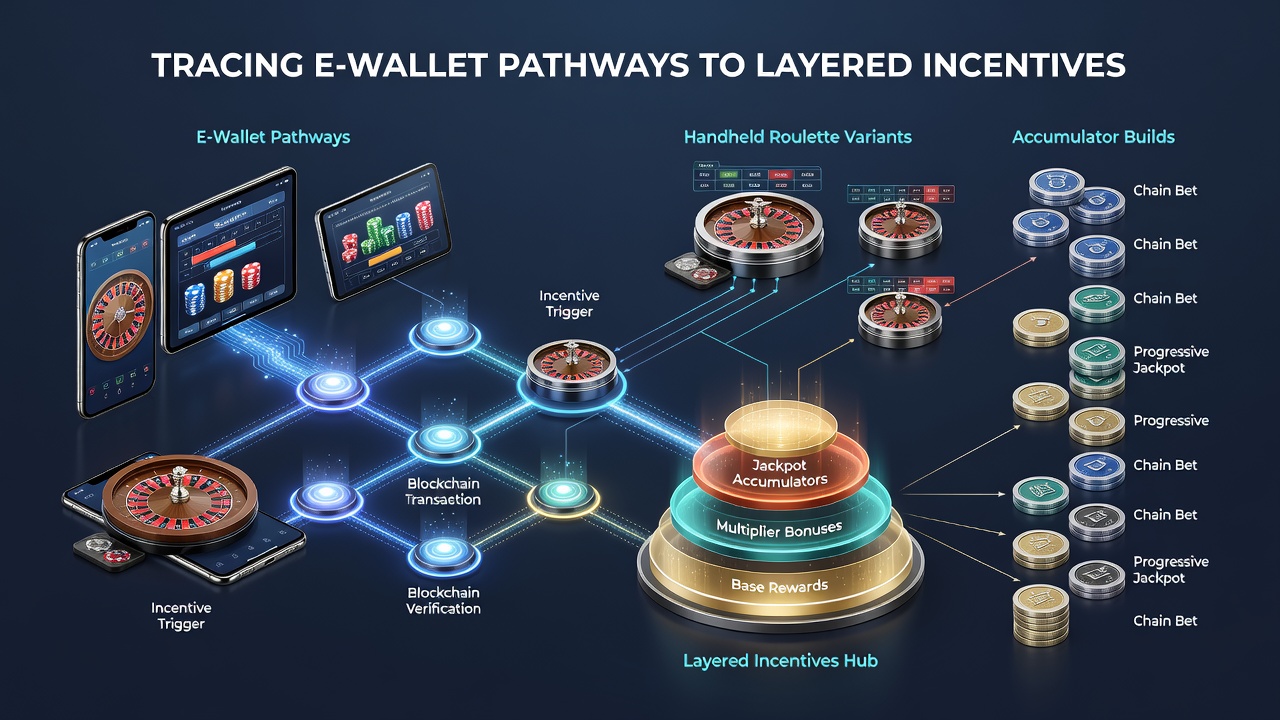
Security protocols embedded in major e-wallet services employ tokenization that replaces actual account numbers with unique identifiers, which gaming platforms then map to player profiles for incentive tracking. This separation helps maintain data protection standards while still permitting operators to confirm eligibility for stacked promotions. Industry reports from the Australian Institute of Gambling Research document that platforms using tokenized wallet connections experience 23 percent fewer disputed transactions compared with traditional card processing methods.
Regulatory Context Across Regions
Authorities in Ontario and several European jurisdictions require operators to maintain immutable logs of every e-wallet interaction linked to bonus awards. These logs must remain accessible for audit periods ranging from three to seven years depending on the licensing body. Compliance teams cross-reference wallet timestamps against game logs to ensure layered incentives activate only after legitimate deposits clear, preventing premature or unauthorized reward distribution.
Payment volume statistics published by the European Gaming and Betting Association show that e-wallet usage for mobile roulette and accumulator products exceeded 61 percent of total deposits in monitored markets during 2025. The same data set indicates that accumulator bets funded through digital wallets average 2.4 times the stake size of single-bet transactions, reflecting the incentive structures designed around cumulative activity.
Conclusion
Electronic wallet pathways continue to serve as the primary conduit for delivering multi-tier incentives within handheld roulette environments and accumulator constructions. Transaction records generated at each stage supply the verification data needed for operators to apply rewards accurately across different game variants and bet combinations. As interoperability standards advance in 2026, these systems will likely incorporate more granular tracking capabilities while preserving the speed and security users expect from modern mobile payments.