12 Jun 2026
Digital Reward Pathways: Linking Virtual Blackjack Results to Football Handicap Markets
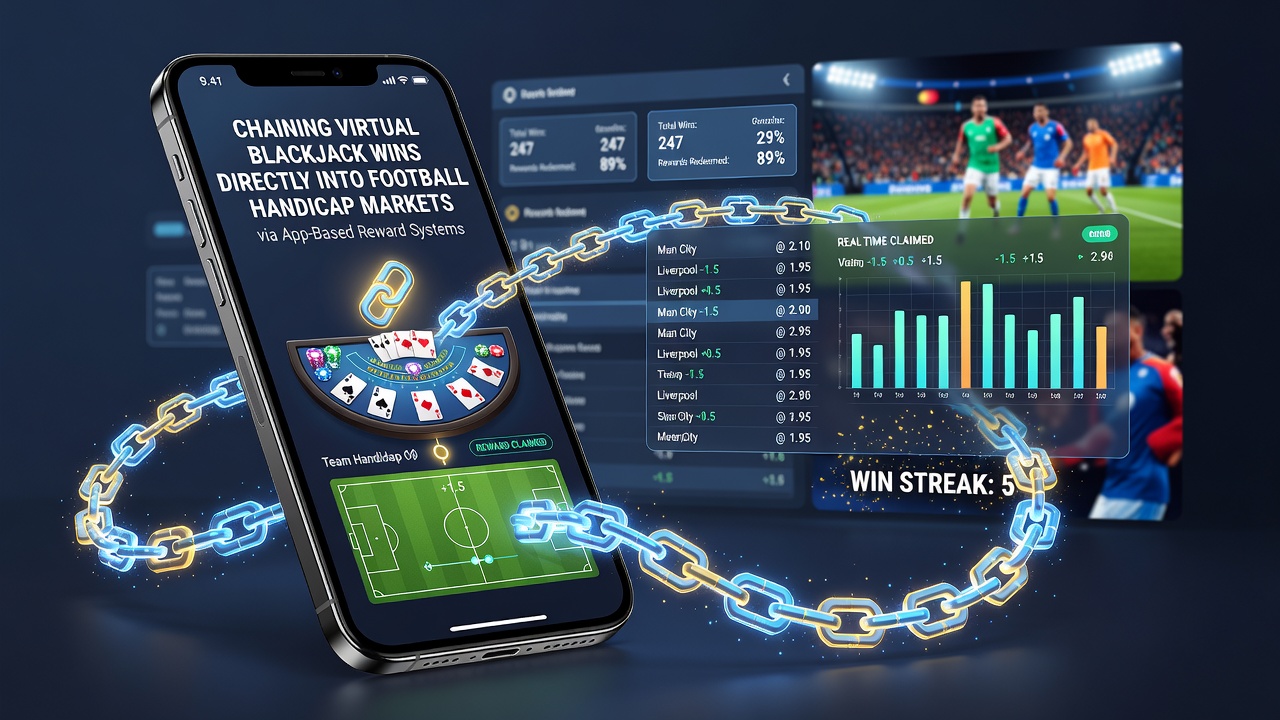
App-based platforms have developed systems that convert outcomes from virtual blackjack sessions into credits applicable to football handicap markets, and these mechanisms operate through integrated reward structures that track user activity across game types. Operators implement conversion protocols where net wins from simulated card games feed directly into betting wallets designated for soccer events, and data from multiple jurisdictions shows steady adoption rates among users who maintain accounts across both verticals.
Mechanics of Conversion Protocols
Virtual blackjack environments generate results through random number generators certified by independent testing labs, after which successful hands trigger reward points that apps map to equivalent values in football handicap selections. These points appear in user dashboards as transferable balances, and the process completes within seconds once players confirm the shift from one product to another. Developers configure multipliers based on volume thresholds, so larger blackjack wins unlock higher conversion rates when directed toward handicap lines such as Asian or European formats.
App Architecture Supporting Cross-Product Transfers
Modern betting applications maintain unified ledgers that record activity in virtual tables and live sports interfaces simultaneously, which allows reward engines to detect blackjack profits and apply them automatically to pending football wagers. Backend systems use API connections to synchronize balances across modules, and security layers encrypt each transfer to meet data protection standards set by regional authorities. Users receive notifications when conversions finalize, and the same interface displays both blackjack hand histories and updated handicap positions side by side.
Football Handicap Market Integration
Handicap markets in football present adjusted scoring margins that reward accurate predictions of team performance differentials, and reward systems channel blackjack-derived funds into these lines during in-play or pre-match windows. Platforms list handicap options from major leagues alongside conversion toggles, which lets participants allocate credits without exiting the application. Figures released by the Nevada Gaming Control Board in early 2026 indicate that cross-product transfers increased by 14 percent during the prior season, reflecting broader patterns observed in regulated markets.
Observers note that timing plays a role, because virtual blackjack rounds conclude faster than football matches, so accumulated wins become available for handicap bets before kickoff or during halves. Algorithms adjust offered odds dynamically based on incoming transfer volumes, and this responsiveness keeps liquidity balanced across both game categories.

Regulatory Context Across Jurisdictions
Authorities in several regions require operators to maintain clear audit trails for reward conversions, and compliance reports submitted to bodies such as the Alcohol and Gaming Commission of Ontario detail how blackjack-to-handicap flows adhere to responsible gaming thresholds. In June 2026, updates from the Australian Communications and Media Authority highlighted similar reporting requirements for digital platforms operating across state lines, emphasizing transparency in point valuation methods. These rules ensure that converted funds remain subject to the same age and identity verification processes applied to direct deposits.
Usage Patterns Among Participants
Analytics from platform providers reveal that users who engage virtual blackjack for short sessions often route resulting balances into football handicap wagers on matches involving familiar teams, and this sequence appears in transaction logs across multiple operators. Retention data compiled by the American Gaming Association shows elevated repeat activity when reward systems reduce friction between card and sports modules. Participants typically set personal limits on conversion amounts, and apps enforce these through optional controls that align with broader harm minimization frameworks.
Technical Safeguards and Verification Steps
Encryption protocols protect each step of the reward transfer, while multi-factor authentication confirms user intent before funds move from blackjack ledgers to handicap stakes. Independent audits conducted by organizations such as eCOGRA verify that random outcomes in virtual tables remain isolated from subsequent betting adjustments, preserving integrity across the chain. Error-handling routines return credits to original balances if technical interruptions occur during conversion, and users receive automated summaries of completed transactions for record-keeping purposes.
Conclusion
App-based reward systems continue to connect virtual blackjack outcomes with football handicap markets through structured conversion processes that rely on unified ledgers and certified algorithms. Regulatory frameworks in multiple regions maintain oversight of these integrations, requiring documented trails and verification measures that apply uniformly to all transferred balances. Data from industry reports and government agencies documents ongoing usage patterns without indicating changes in underlying risk profiles associated with either product type.