26 Jul 2026
Digital Reward Tracing: Connecting Virtual Reel Triggers to Accumulator Bets via Verified Transfers

Systems that trace reward chains begin with virtual reel triggers in slot machines, where random number generators determine outcomes, and these events feed directly into centralized platforms that record player activity across multiple game types. Verified digital transfers serve as the bridge that moves value from one segment to another, ensuring each step from a reel spin to a multi-sport accumulator remains documented through timestamped logs and account identifiers. Observers note that this process relies on standardized protocols that platforms adopted widely by early 2025, with further refinements rolled out during July 2026 to strengthen audit trails for cross-category activity.
Mechanics of Virtual Reel Triggers
Virtual reels operate through algorithms that generate thousands of possible combinations per second, and each trigger registers as a discrete event tied to a player's session identifier. Data from these events flows into backend databases that tag rewards according to predefined rules, whether the outcome produces credits, bonus rounds, or multiplier effects. Researchers at institutions such as the University of Nevada, Las Vegas have documented how these tags travel through application programming interfaces, allowing seamless handoff to other modules within the same ecosystem. The ball's in the platform's court to maintain accuracy, since any mismatch in identifiers can interrupt the chain before it reaches sports betting sections.
Pathways Through Verified Digital Transfers
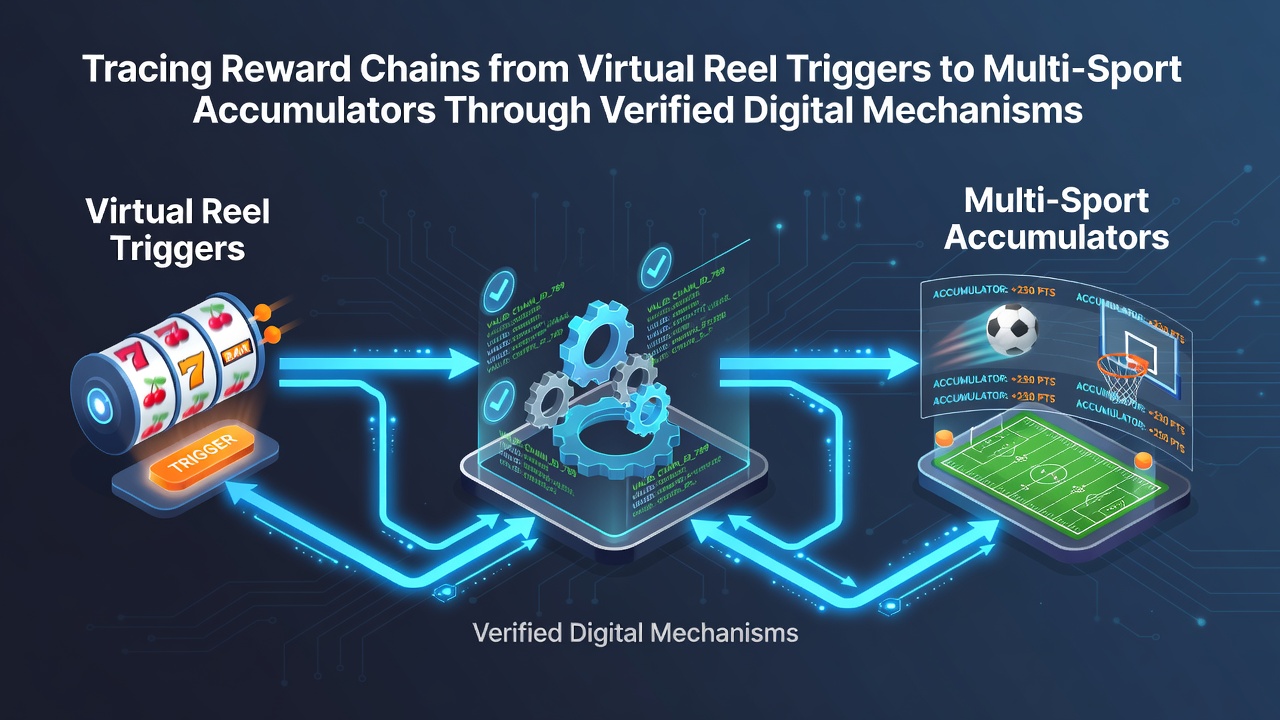
Verified digital transfers authenticate each movement of funds or credits using encryption layers and multi-factor checks that confirm both origin and destination accounts. These transfers carry metadata that includes the source reel trigger, the amount involved, and the intended application such as funding an accumulator bet on football, basketball, and tennis events. According to reports from the European Gaming and Betting Association, integration of real-time verification reduced discrepancies in reward allocation by measurable margins across tested operators. What's interesting is how the same transfer record can later reference accumulator adjustments when odds shift mid-event, creating a continuous loop rather than isolated transactions.
Platforms handle this linkage by assigning unique transaction hashes that persist across game categories, so a credit earned from a virtual reel can appear as stake value in a multi-leg sports bet without manual intervention. July 2026 updates introduced enhanced timestamp synchronization standards that align server clocks across jurisdictions, minimizing drift that previously affected chain integrity in high-volume periods. Those who've studied these systems know the hashes function like digital breadcrumbs, retrievable during compliance reviews or player disputes.
Integration With Multi-Sport Accumulators
Multi-sport accumulators combine selections from different events into single wagers, and reward chains supply the necessary stake amounts once transfers clear verification steps. Each leg of the accumulator inherits metadata from the original reel trigger, allowing operators to trace payout calculations back through the sequence when settlements occur. Figures from industry analyses reveal that platforms processing over ten thousand such combined bets daily maintain separate ledgers for each category while sharing the common transfer layer for reconciliation. Take one operator that implemented unified tracking in 2024; their records showed faster resolution of accumulator disputes because the full chain remained intact from reel activation onward.
But here's the thing: regulatory bodies outside the UK have pushed for greater transparency in these linkages, with Australian state commissions requiring detailed export formats that capture every hop in the reward path. The reality is that without verified transfers acting as the connective tissue, cross-category rewards would fragment into separate silos that complicate both player experience and oversight. Observers note continued testing of blockchain-based ledgers in pilot programs, though most systems still rely on conventional database structures upgraded during the July 2026 cycle.
Conclusion
Tracing reward chains from virtual reel triggers through verified digital transfers to multi-sport accumulators forms a closed loop of documented activity that platforms and regulators monitor for consistency. The mechanisms depend on persistent identifiers, synchronized timestamps, and authenticated transfers that carry context across game types. Data indicates these processes evolved steadily through 2025 and into July 2026, reflecting incremental improvements in audit capability rather than wholesale redesigns. People who examine the underlying records find the same core principles of traceability apply whether the journey starts at a slot machine or ends at an accumulator settlement.