From Tap to Table: Contactless Payments Reshaping Live Casino and Sports Betting Experiences
21 Mar 2026
From Tap to Table: Contactless Payments Reshaping Live Casino and Sports Betting Experiences
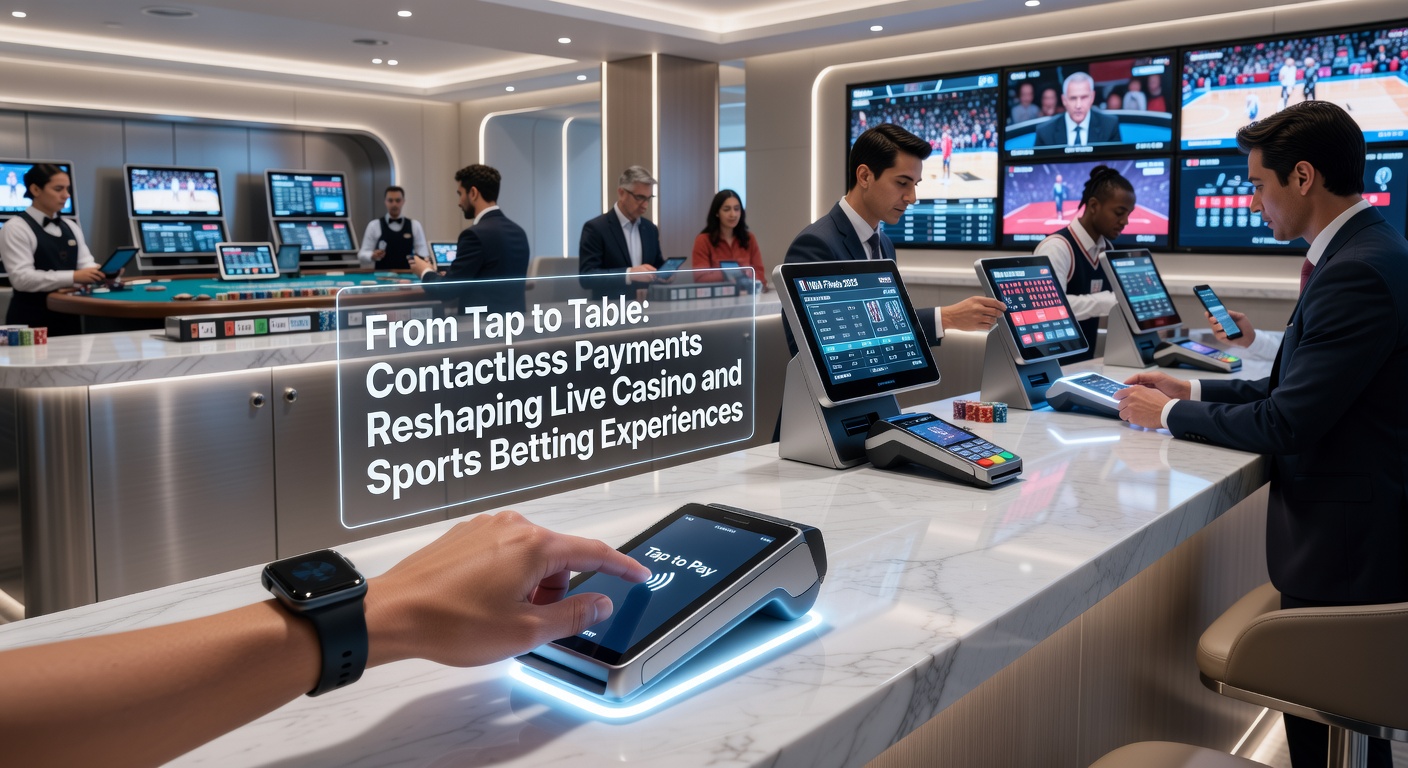
The Shift from Cash to Tap in Gaming Venues
Operators in live casinos and sports betting outlets have long relied on cash and chips, but contactless payments have accelerated a dramatic pivot; now, patrons tap cards, phones, or wearables to place bets instantly, whether at a roulette table in Las Vegas or a UK bookmaker during a Premier League match. This transition gained momentum post-2020, when hygiene concerns drove demand for touch-free options, and data from the American Gaming Association reveals that by 2023, over 70% of U.S. casino transactions involved digital methods, up from just 25% pre-pandemic. What's interesting is how this tech bridges physical and digital worlds, allowing bettors to fund accounts via NFC-enabled devices without fumbling for wallets, which keeps the action flowing during high-stakes moments like overtime in an NBA playoff game.
And yet, the real game-changer emerges in live settings; picture a crowded sports bar where fans wager on the Super Bowl, tapping Apple Pay to top up bets mid-quarter without missing a play. Operators note quicker throughput at counters, since transactions complete in under two seconds, compared to 30 for cash handling, and that's where the rubber meets the road for busy venues handling thousands of wagers nightly.
How Contactless Tech Integrates Seamlessly
Contactless payments rely on near-field communication (NFC) chips embedded in cards and smartphones, enabling secure data exchange when held within inches of a reader; in live casinos, these readers sit integrated into betting terminals, table game interfaces, and even dealer stations, while sportsbooks deploy them at self-service kiosks and mobile POS systems. Providers like Visa and Mastercard have rolled out Tap to Pay features, where iPhones or Androids turn into virtual terminals, letting croupiers accept payments directly from players' devices during blackjack hands or live poker sessions.
Take one Las Vegas Strip casino that upgraded its floor in 2024: staff there equipped every table with NFC pads, so players fund chips or side bets with a simple tap, and the system syncs instantly to digital wallets for hybrid experiences blending live dealers with online extensions. Sports betting mirrors this; in Australian wagering shops, punters tap watches to place in-play bets on cricket matches, with platforms like those from Tabcorp processing funds via Google Pay in real-time, cutting out queues that once plagued halftime rushes.
But here's the thing—integration extends to online live casinos too, where streamed dealers accept deposits mid-session; bettors tap to preload virtual chips, ensuring uninterrupted play as the wheel spins or cards flip, and this fusion eliminates friction between digital entry and live immersion.
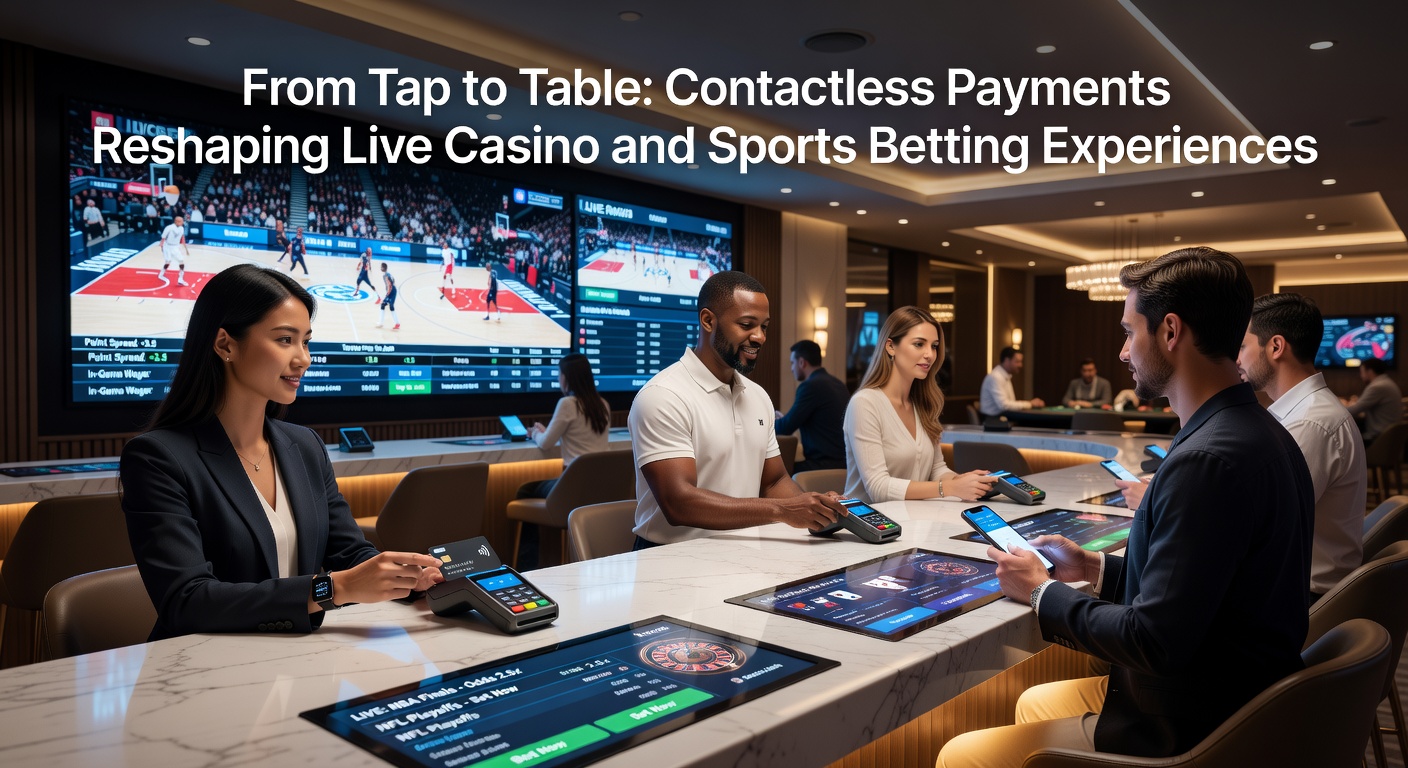
Boosting Speed, Security, and Player Satisfaction
Figures from Juniper Research indicate contactless transactions reduce average bet placement time by 40%, which means players spend less time paying and more time engaging, whether cheering a goal in soccer betting or watching live baccarat draws; operators benefit too, as faster cycles lift table turnover by up to 25%, packing in extra hands per hour. Security layers impress researchers: tokenization replaces card details with one-time codes, thwarting skimmers common in crowded casino floors, and biometric prompts on phones add extra verification without slowing the tap.
People who've studied user behavior point to higher retention; one survey by the European Gaming and Betting Association found 82% of European bettors prefer tap methods for their convenience during live events, citing reduced errors from cash mishandling, and that's particularly vital in sports betting where odds shift by the second. Hygiene plays a role as well—post-COVID trials in Canadian casinos showed 65% fewer surface touches per transaction, keeping germs at bay amid packed roulette pits or trackside lounges.
Global Adoption Trends and Case Studies
Australia leads in sports betting uptake, with the New South Wales Office of Liquor, Gaming and Racing reporting 90% of wagering shop payments now contactless by early 2025, driven by AFL and NRL frenzy where fans tap en masse during grand finals. In the U.S., DraftKings and FanDuel integrated NFC at retail partners like MGM properties, processing $2.5 billion in tap bets during March Madness 2025 alone, per industry trackers.
Europe follows suit; Italian operator SNAI equipped 1,200 shops with tap-enabled terminals, boosting in-play soccer wagers by 35% as Serie A fans fund parlays without pause. And in physical casinos, Singapore's Marina Bay Sands piloted wearable payments in 2024, where VIPs use rings to settle high-roller baccarat sessions, syncing to blockchain ledgers for transparency. Observers note these cases highlight scalability—small bookies adopt affordable Visa terminals, while giants layer AI fraud detection atop NFC for enterprise-grade protection.
Turns out, emerging markets like Brazil are catching up fast; with the 2024 legalization wave, operators there project 50% contactless penetration by 2026, fueled by World Cup betting surges where mobile taps outpace cards.
Navigating Regulations and Challenges
Regulators worldwide enforce standards to match innovation; Nevada's Gaming Control Board mandates encrypted NFC for all Strip casinos since 2023, ensuring taps resist interception, while Ontario's iGaming sector requires two-factor authentication alongside contactless deposits, blending speed with safeguards. Challenges persist though—interoperability issues crop up when mixing providers, yet standards from EMVCo unify protocols across regions, smoothing cross-border play for tourists tapping U.S. cards in Macau tables.
Data breaches worry some, but stats reassure: fraud rates for contactless hover at 0.1%, versus 1.5% for magnetic stripes, according to Visa's global reports, and operators counter risks with velocity checks limiting high-value taps. In sports betting, geofencing ties payments to venue locations, preventing remote exploits during live events, which keeps compliance tight without cramping excitement.
Looking Ahead to 2026 and Beyond
By March 2026, projections from H2 Gambling Capital forecast contactless handling 85% of global live casino and sports bets, spurred by 5G rollouts enabling ultra-low latency taps at remote tables; wearables like next-gen smart rings and implants tease further frontiers, with trials at Monte Carlo casinos testing gesture-based funding mid-roulette spin. Central bank digital currencies (CBDCs) enter the mix too—Sweden's e-krona pilots integrate NFC for seamless krona-to-bet conversions in Scandinavian sportsbooks.
Operators gear up for multimodal payments, where voice commands trigger taps via assistants like Siri during hands-free wagering, and AI personalizes limits based on play history, all while quantum-resistant encryption fortifies against future threats. It's noteworthy how this evolution democratizes access—casual bettors in rural Australian pubs tap for NRL futures, matching Vegas pros shot-for-shot.
One study from the University of Nevada's gaming lab reveals hybrid models, combining live dealers with AR overlays for tap-funded virtual tables, will dominate by 2027, pulling in younger demographics hooked on frictionless tech.
Conclusion
Contactless payments have woven themselves into the fabric of live casinos and sports betting, transforming taps into tickets for uninterrupted thrills; from slashing wait times and bolstering security to fueling global adoption, this tech redefines experiences across venues and screens. As March 2026 approaches with its waves of upgrades and regulations, players and operators alike stand poised for even smoother paths from wallet to wager, where the next big win starts with nothing more than a effortless tap.