26 Jun 2026
Integrated Mobile Platforms Bridge Athletic Forecasts and Automated Betting Sequences
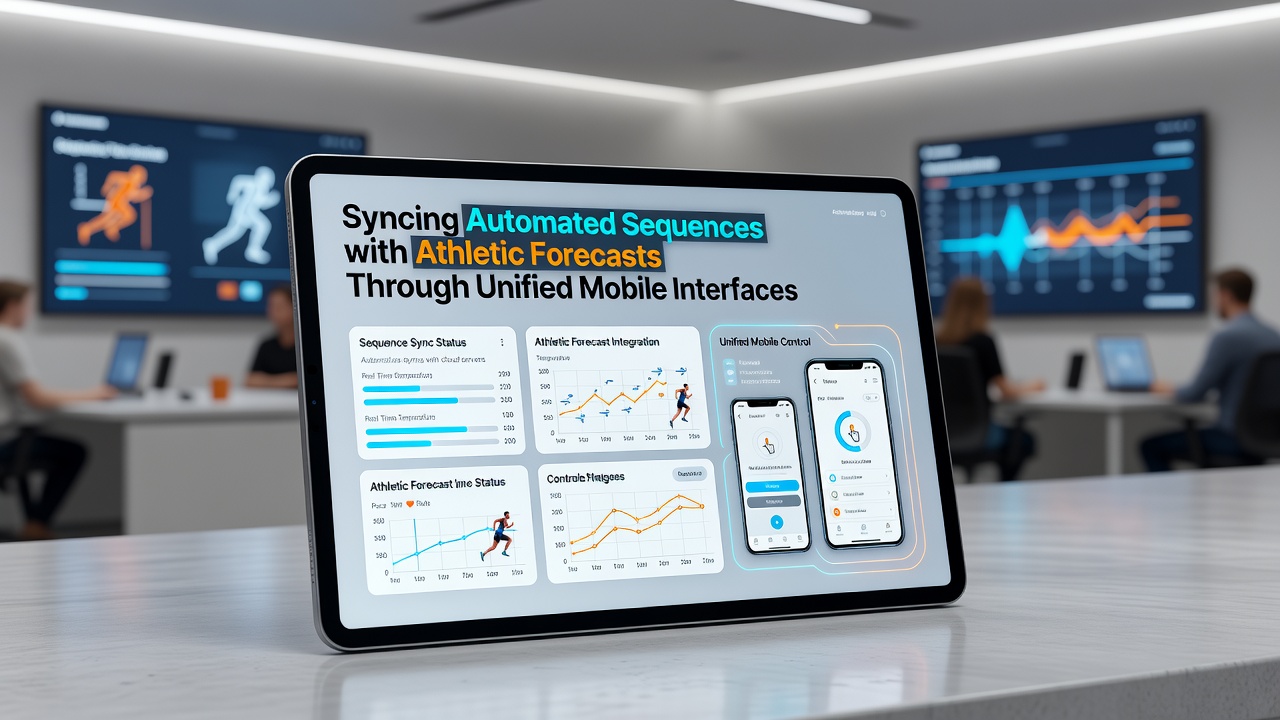
Developers have built unified mobile interfaces that link athletic performance forecasts directly to automated betting sequences, allowing data streams from sports analytics engines to trigger predefined wager patterns without manual input at each step. These systems pull live statistics, injury reports, and predictive models into a single dashboard where users configure sequences that activate when forecast thresholds are met. Observers note that integration relies on API connections between forecasting services and betting platforms, which process information in milliseconds to maintain synchronization across devices.
Core Components of the Synchronization Process
Forecast models generate probability scores for outcomes such as team totals, player props, or match results, then feed those scores into sequence engines that execute bets according to user-defined rules. A sequence might start with a base wager on a favored side, then layer additional bets if the forecast confidence rises above a set percentage, and adjust stake sizes based on real-time data updates. Mobile interfaces consolidate these functions into one application so that users monitor both the forecast feed and the sequence status from the same screen, with push notifications alerting them to completed steps or required confirmations.
Researchers at the International Gaming Institute have documented how cloud-based processing supports this linkage, enabling consistent performance even when network conditions fluctuate during live events. Data shows that sequence execution times average under two seconds once a forecast update arrives, a speed achieved through pre-loaded rule sets stored locally on the device and verified against server-side parameters.
Implementation Patterns Across Markets
Operators in North America and Europe deploy these interfaces through native applications that combine sports data APIs with proprietary automation modules. Users select from template sequences or build custom ones by dragging forecast parameters into a workflow builder, after which the system handles execution across multiple betting markets. Figures from industry reports indicate that adoption of such unified tools increased notably by early 2026, with June 2026 platform updates introducing enhanced machine-learning adjustments that refine sequence triggers based on historical accuracy rates of specific forecast sources.
One documented case involves a platform that connected tennis match forecasts to accumulator sequences, automatically adding legs when serve-percentage predictions exceeded 65 percent while capping total exposure through built-in risk controls. The application interface displayed both the incoming forecast revisions and the status of each automated step in a single scrolling view, reducing the need to switch between separate prediction and betting screens.

Technical Requirements and Data Flow
Accurate synchronization demands low-latency data pipelines that transmit forecast revisions to the mobile client before odds adjust in response to the same information. Developers achieve this through websocket connections that push updates continuously rather than relying on periodic polling. The mobile application then compares incoming values against stored sequence conditions and initiates the next automated action when matches occur.
Security protocols encrypt both the forecast data and the sequence instructions during transmission, while device-level authentication ensures only authorized accounts access configured workflows. Reports from the Canadian Gaming Association highlight that operators maintain separate audit logs for automated actions, recording each forecast input alongside the resulting sequence step for compliance review.
Current Developments in June 2026
Platform releases scheduled for June 2026 introduce expanded support for multi-sport forecast sources within single sequences, allowing users to combine soccer expected-goal models with basketball player-efficiency ratings under one automation rule set. These updates also include visual timeline views that map forecast changes directly onto sequence progress bars, giving clearer visibility into why a particular step executed or paused.
Testing data shared by development teams shows that the enhanced interfaces handle simultaneous live events without performance degradation, maintaining synchronization accuracy above 99 percent during peak usage periods. External analytics providers now supply standardized forecast formats that reduce integration time for new sports markets.
Regulatory and Operational Considerations
Authorities in various jurisdictions require clear disclosure of automated features so users understand when sequences operate independently versus when manual approval remains necessary. Industry organizations recommend periodic reviews of forecast source reliability to prevent sequences from executing on outdated or biased data inputs. Operators document these reviews alongside user activity records.
What's interesting is how the same mobile frameworks support both recreational and professional-level usage patterns, with advanced users layering additional conditional checks that reference multiple forecast providers before committing to a sequence step. This flexibility stems from modular design choices made during initial development rather than post-launch modifications.
Conclusion
Unified mobile interfaces continue to evolve as the primary method for connecting athletic forecasts with automated betting sequences, supported by steady improvements in data transmission speed and application architecture. As of June 2026, these systems operate across an expanding range of sports and wager types, with technical standards facilitating broader compatibility between forecast providers and betting platforms. The result is a streamlined process where forecast updates directly influence sequence execution within a single user environment, documented through performance metrics and compliance records maintained by operators.