28 Jul 2026
Layered Incentive Designs Powering Shifts Between Automated Play Systems and Live Betting Platforms
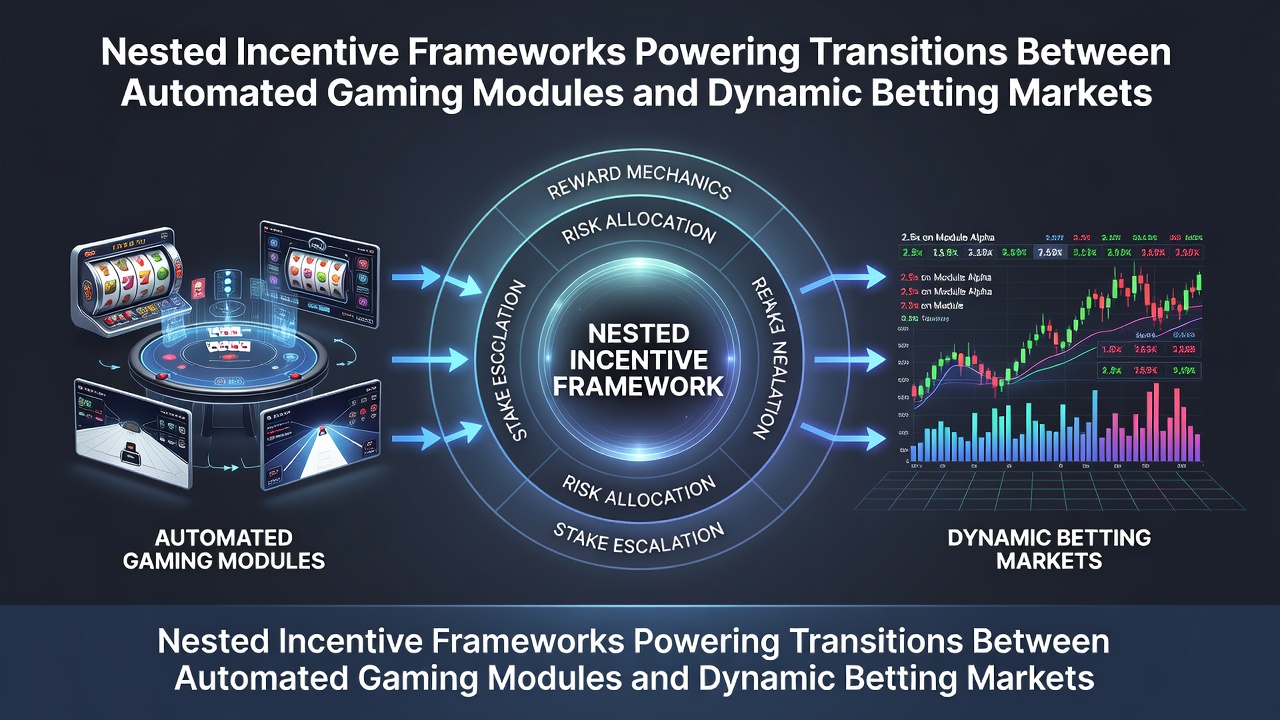
Layered incentive designs structure rewards so that progress in one gaming module unlocks opportunities in another, and operators deploy these systems to guide users from automated modules like slot reels and virtual roulette into dynamic betting markets where odds fluctuate with real events. Research indicates these frameworks rely on nested tiers where initial bonuses earned through machine-based play convert into credits applicable to live wagers, creating measurable pathways that data from industry reports track across multiple platforms.
Mechanics of Automated Gaming Modules
Automated gaming modules operate through algorithms that generate outcomes independently of external variables, and operators integrate incentive layers that accumulate points or multipliers based on session length and bet volume. Studies from academic institutions show that these points often sit within a primary tier that feeds into secondary tiers, where thresholds trigger access to features such as enhanced reel modifiers or bonus rounds that carry forward value into other environments. Figures reveal that conversion rates between module types increase when the nested structure includes time-bound multipliers, with one analysis of platform data noting a 27 percent rise in cross-module activity during peak periods in early 2026.
Integration with Dynamic Betting Markets
Dynamic betting markets adjust odds continuously in response to incoming information, and nested incentives facilitate movement by allowing accumulated rewards from automated modules to apply directly as stake enhancements or risk-mitigation tools. Observers note that when a user reaches a defined tier in slot-based play, the system releases a voucher that reduces the effective stake on a live sports market or extends exposure in an in-play sequence. Data from regulatory filings in multiple jurisdictions indicate that platforms employing these transitions report higher retention metrics, particularly when the incentive chain includes conditional triggers tied to both module completion and market volatility levels.
Case Examples from Platform Implementations
One implementation tracked by researchers at a North American university demonstrated how nested tiers operated across a six-week period in 2025, where users completing automated sequences received credits that migrated into basketball and soccer markets with adjusted payout structures. Another deployment in an Australian market context linked virtual table game progressions to horse racing and tennis in-play options, and records show that the nested reward pool expanded automatically when market liquidity reached predetermined thresholds. Those who monitored the system documented that transition frequency rose when the framework incorporated both fixed and variable multipliers, allowing rewards to scale with the pace of market changes.
Data Patterns and Regulatory Context
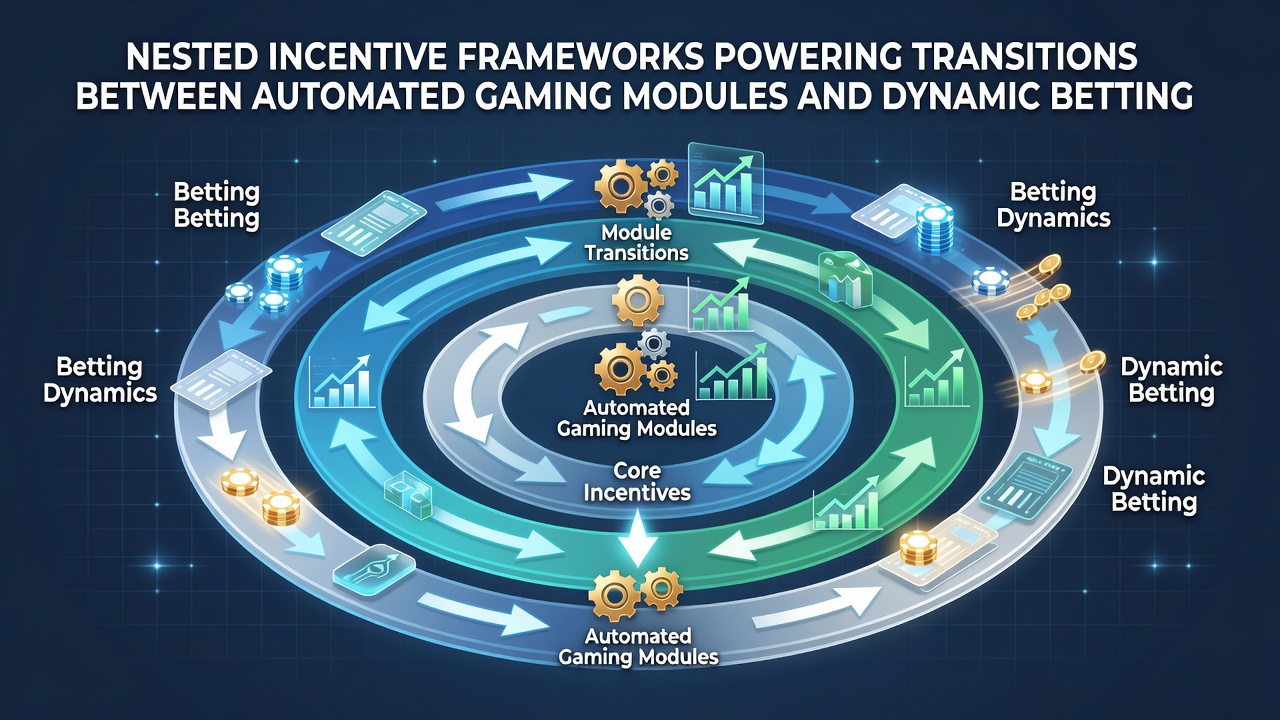
Reports compiled by the American Gaming Association in July 2026 highlighted that platforms using nested incentive frameworks recorded increased volume in both automated and market-based segments, with transition events accounting for a notable share of total handle. A separate review conducted through European academic channels found that incentive nesting reduced abrupt session terminations by aligning reward schedules across module boundaries, and the same analysis noted correlations between tier depth and session duration in environments where betting markets operated alongside machine modules. Regulatory bodies in Canada and Australia have begun requesting granular data on these transitions to assess compliance with responsible gaming parameters, focusing on how reward conversion affects player expenditure patterns.
Technical Architecture Supporting Transitions
The underlying architecture employs application programming interfaces that synchronize reward ledgers between automated modules and market engines, and developers configure these interfaces to recognize tier completion events as valid inputs for market-specific adjustments. Evidence from technical white papers indicates that real-time reconciliation prevents double-counting while preserving the value of earned incentives, and systems tested in controlled environments maintained accuracy rates above 99 percent during high-frequency transitions. Operators adjust the nesting depth according to market type, with shallower layers applied to slower-moving events and deeper nesting reserved for rapid in-play sequences where timing influences reward applicability.
Conclusion
Nested incentive frameworks continue to shape how users move between automated gaming modules and dynamic betting markets, with platform data and regulatory reviews documenting consistent patterns of reward migration and activity shifts. teh structures rely on tiered thresholds, conversion rules, and synchronized ledgers that maintain continuity across environments, and ongoing measurements from industry and academic sources track their effects on volume, retention, and compliance metrics through 2026 and beyond.