21 Jun 2026
Mobile Platforms Blending Card-Based Strategy Training with Live Athletic Performance Data
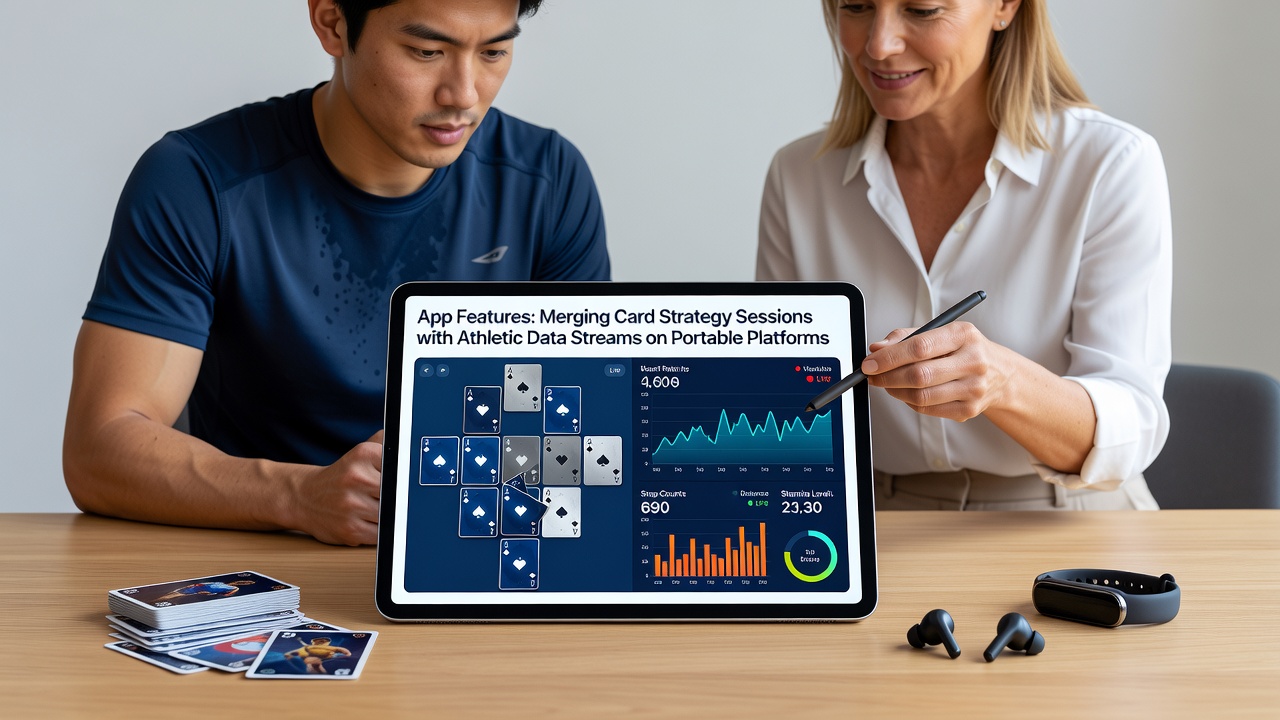
Developers have created portable applications that combine structured card game decision frameworks with continuous streams of athletic metrics such as heart rate variability, movement patterns, and reaction times, and these tools operate on smartphones and tablets used by coaches and athletes alike.
Card strategy sessions typically involve probability calculations, pattern recognition, and sequential planning drawn from games like bridge or poker variants, while athletic data streams deliver real-time inputs from wearable sensors that track speed, power output, and recovery indicators, and the integration occurs through synchronized dashboards that update both elements simultaneously during training sessions.
Core Technical Integration Methods
Application architectures rely on application programming interfaces that pull data from fitness tracking devices while embedding decision trees modeled after card play scenarios, and users interact with these systems through touch interfaces that present scenario cards alongside overlaid performance graphs, allowing adjustments in one module to influence recommendations in the other. Research from the University of Queensland's sports science department indicates that such combined interfaces improve decision latency by measurable margins during simulated high-pressure drills.
Portable platforms achieve this merger through cloud-based synchronization services that handle variable network conditions, and data from accelerometers merges with algorithmic outputs derived from historical card session logs to generate adaptive prompts, for instance suggesting a conservative play style when fatigue metrics rise above predefined thresholds.
Observed Implementation Patterns in Training Environments
Teams in North American collegiate programs have adopted these applications for pre-competition preparation, where athletes review card-derived strategy sequences while monitoring live biometric feeds, and session logs show repeated cycles of strategy review followed by physical output adjustments. The National Collegiate Athletic Association maintains records of technology adoption trends that document increased use of integrated mental-physical training modules through 2025 and into mid-2026.
Coaches access aggregated reports that correlate specific card strategy choices with subsequent athletic data shifts, such as improved sprint consistency after exposure to risk-assessment card sequences, and these reports update automatically as new sensor readings arrive during field sessions.
Data Handling and Privacy Protocols
Portable applications encrypt both card session histories and athletic data streams using standardized protocols before transmission, and regulatory frameworks in Canada require explicit user consent for any cross-referencing of mental strategy records with physical performance files. The Canadian Centre for Ethics in Sport outlines guidelines that address data segmentation to prevent unauthorized merging of distinct information categories.
June 2026 updates to several major platforms introduced granular permission controls that let users isolate card strategy modules from athletic streams when desired, and these controls appear as toggle options within account settings that affect real-time data flows without disrupting overall application functionality.

Algorithmic Approaches to Strategy and Performance Linkage
Machine learning models within these applications analyze correlations between card play outcomes and athletic response patterns, and they generate predictive suggestions that adjust strategy difficulty based on current fatigue indicators pulled from wearable devices. Studies published in the Journal of Sports Engineering and Technology describe how decision trees adapted from card games can map onto movement optimization tasks when fed synchronized biometric inputs.
Users encounter scenario prompts that evolve dynamically, such as escalating card complexity when heart rate recovery rates indicate readiness, and the system logs these interactions for later review by support staff who refine training plans accordingly. European sports technology consortia have compiled datasets demonstrating consistent patterns in how such adaptive linkages influence session duration and intensity distribution across multiple athlete cohorts.
Platform Compatibility and User Access Trends
Cross-device synchronization ensures that sessions started on smartphones continue seamlessly on tablets or connected wearables, and operating system updates through 2026 have enhanced background data processing capabilities that support uninterrupted merging of the two data types. Industry reports from the Global Sports Technology Alliance note rising subscription rates for applications offering these combined features, particularly among endurance and team sport participants.
Accessibility features include voice narration of card scenarios paired with audio summaries of athletic metrics, and developers have incorporated localization options that adjust terminology for different regional training contexts while preserving the underlying data integration logic.
Conclusion
Portable platforms continue to expand the technical linkages between card-derived strategy frameworks and athletic data streams through iterative software refinements, and documented adoption across varied training settings reflects ongoing integration of these distinct information sources into unified mobile interfaces. Observers tracking these developments note sustained investment in algorithmic refinements that maintain separation between strategy modules and performance metrics while enabling their coordinated presentation.