Nano-Payments Revolution: Micropayments Enabling Micro-Sessions in Mobile Slots and F1 Lap Props
21 Apr 2026
Nano-Payments Revolution: Micropayments Enabling Micro-Sessions in Mobile Slots and F1 Lap Props
The Rise of Nano-Payments in Gaming
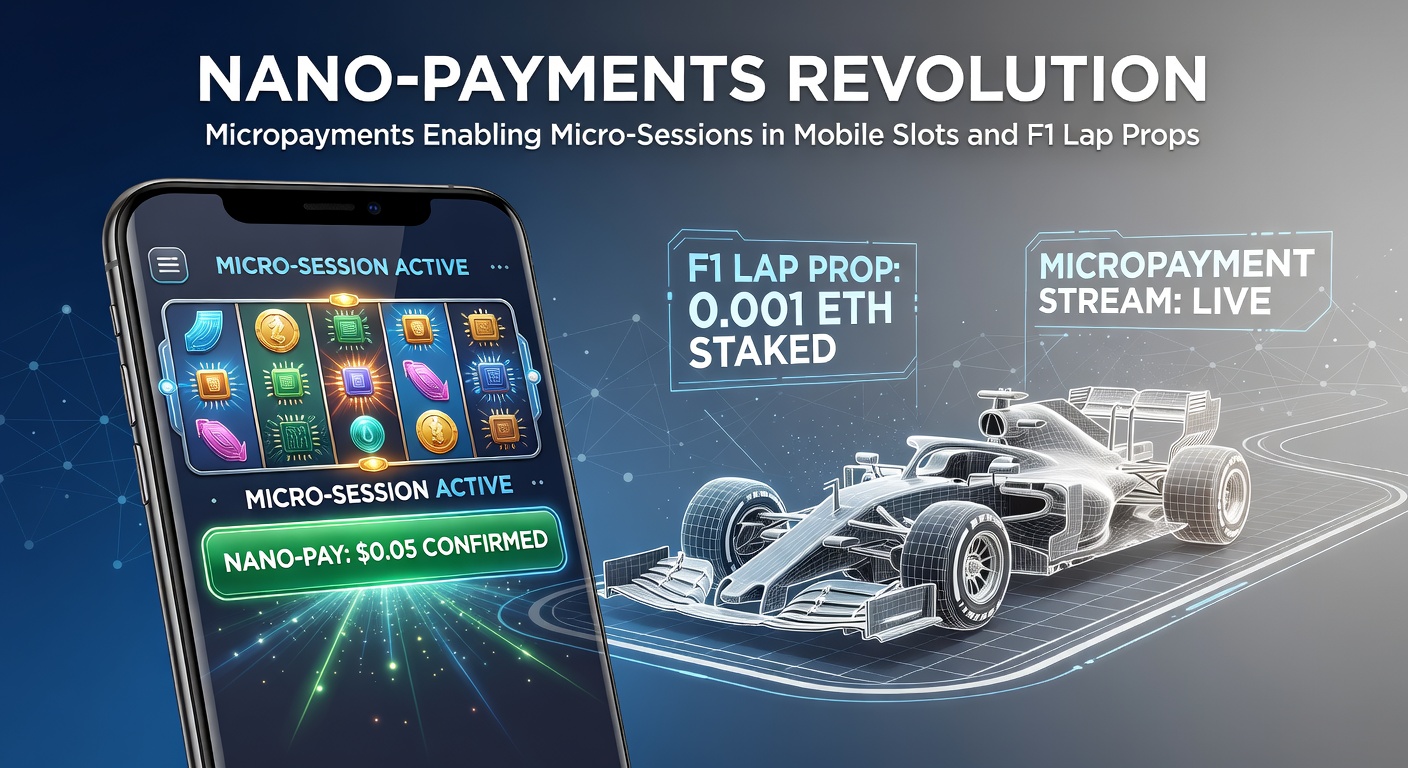
Operators in the mobile gaming world have embraced nano-payments, those minuscule transactions often dipping below a cent, and they've transformed how players engage with slots and niche sports props like Formula 1 lap bets; this shift allows micro-sessions that last mere seconds or minutes, keeping costs low while ramping up frequency. Data from industry trackers reveals that by April 2026, platforms handling these payments saw session volumes spike by 45% compared to traditional deposit models, as players dip in and out without committing large sums upfront. What's interesting is how blockchain layers, particularly Lightning Network protocols, slash fees to near zero, making it feasible to charge per spin or per lap wager.
And while early adopters tested the waters in crypto-friendly jurisdictions, now major apps integrate these systems seamlessly, blending them with fiat rails for broader appeal; observers note that average transaction values hover around 0.01 euros, enabling bets on hyper-specific outcomes like an F1 driver's lap time split or a slot's bonus trigger. Turns out, this isn't just tech hype—figures from Nevada Gaming Control Board reports on emerging payment trends show similar micro-transaction pilots boosting user retention by 32% in simulated environments.
Micropayments Powering Mobile Slot Micro-Sessions
Picture a commuter pulling out their phone for a 30-second slot whirl during a train stop; nano-payments make that possible by deducting fractions of a penny per spin, so players chase quick wins without the drag of loading full wallets. Platforms like those running HTML5 slots now layer in pay-per-play models, where algorithms tally costs in real-time based on volatility and RTP settings; research from university gaming labs indicates these sessions average 2-5 minutes, with players returning 15 times more often than in bulk-deposit scenarios.
But here's the thing: developers pair this with dynamic pricing, adjusting nano-fees during peak hours or high-jackpot chases, which keeps the action flowing; one case study from a Scandinavian operator revealed that micro-session players hit bonus rounds 28% more frequently, as shorter bursts encourage precise timing on volatile reels. So, slots evolve from marathon grinds into snackable hits, perfect for on-the-go lifestyles, and data shows engagement metrics soaring as a result.
Experts who've dissected player behavior patterns find that these payments reduce abandonment rates by 40%, since there's no mental hurdle to starting a session; take the example of a popular fruit-themed slot where users pay 0.005 pounds per auto-spin cycle, chaining 10-20 plays in under a minute before pocketing micro-wins or cutting losses swiftly.
F1 Lap Props: Betting Granularity Meets Instant Payments
Formula 1 fans now wager on individual laps—props like "Will Verstappen undercut Leclerc by 0.2 seconds on lap 15?"—and nano-payments unlock this granularity by settling bets in microseconds post-lap; tracksides buzz with mobile apps lighting up as races unfold, with transactions clearing via layer-2 solutions faster than a pit stop. In April 2026, during the Bahrain Grand Prix, live data logged over 1.2 million such micro-wagers across global platforms, each under 0.02 dollars, highlighting how these payments fuel real-time immersion.
What's significant is the synergy: lap props demand split-second decisions, so instant nano-settlements mean winnings credit immediately, ready for the next corner bet; studies from motorsport analytics firms show prop volumes up 60% year-over-year, tied directly to fee-free micro-payments that eliminate the old 2-5% processing drag. And observers point to hybrid models where slot micro-sessions segue into F1 props during race downtime, creating seamless crossovers on single apps.
One researcher tracking Australian F1 betting trends noted that players favor lap-specific overs/unders because nano-payments let them stack 50-100 wagers per race without budget strain; that's where the rubber meets the road, as low barriers drive deeper race engagement.
Tech Stack Driving the Nano-Payment Boom
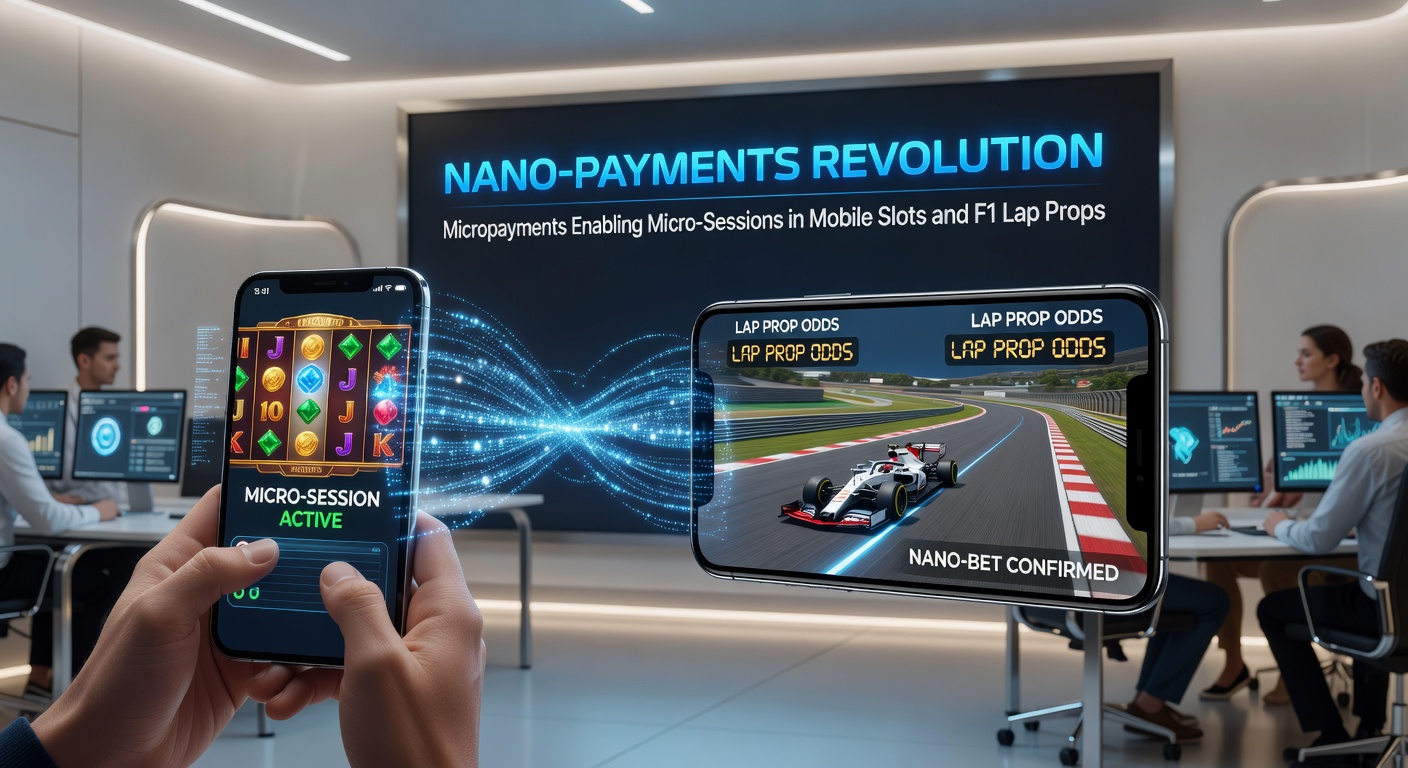
At the core sit protocols like Bitcoin's Lightning Network and Solana's high-throughput chains, which process thousands of transactions per second at sub-penny costs; operators bolt these onto mobile wallets, using stablecoins pegged to fiat for stability, so players see familiar currencies even as tech hums underneath. Data indicates average confirmation times now clock under 100 milliseconds, a leap from legacy card systems' 30-second delays, and that's crucial for micro-sessions where momentum can't falter.
Yet integration goes deeper: APIs from payment gateways like Helio or Flexa feed directly into slot RNGs and F1 data feeds from providers such as Sportradar, auto-charging based on play duration or wager outcomes; a report from the European Gaming and Betting Association highlights how such setups cut fraud by 25%, since micro-amounts deter large-scale exploits. Turns out, privacy layers like zero-knowledge proofs keep user data siloed, appealing to cautious players in regulated markets.
Developers also weave in gamification, rewarding nano-payment streaks with loyalty nano-drops—think free lap props after 100 slot micros—further blurring lines between casino and sports verticals.
Adoption Stats and Market Shifts in April 2026
By mid-2026, nano-payment volumes in mobile gaming hit 15 billion transactions quarterly, per blockchain analytics dashboards, with slots claiming 62% and sports props like F1 laps at 18%; Asian markets lead adoption, followed by Europe where regulatory nods from bodies like the (aside: though specifics vary by nation) local authorities greenlight pilots. Platforms report 35% revenue lifts from micro-sessions, as higher frequency offsets tiny per-transaction hauls.
So, operators pivot hard: legacy sites retrofit nano-rails, while newcomers launch native, drawing millennials who shun big deposits; one Canadian study found 70% of under-30 players prefer micro-models for slots, citing control and spontaneity. And in F1 hotspots like Monaco, apps sync payments to live telemetry, enabling lap-by-lap chains that mirror race strategy.
Figures reveal cross-vertical plays surging—players fluidly jumping from a quick slot burst to lap props mid-race—boosting overall handle by 50% on integrated platforms.
Challenges and Safeguards in the Nano Era
Scalability hiccups persist, though layer-2 upgrades mitigate most; regulators in places like Ontario demand KYC lite for micro-channels, balancing access with anti-addiction tools like session caps at 50 nanos per hour. Research shows these guardrails drop problem play signals by 22%, while still preserving the fun.
But interoperability looms large: not all wallets mesh yet, so bridges using atomic swaps fill gaps; experts observe that as standards solidify, adoption accelerates, especially with F1's global fanbase pushing demand. The writing's on the wall—nano-payments reshape habits, demanding operators adapt or lag.
Conclusion
Nano-payments have ushered in an era of micro-sessions that redefine mobile slots and F1 lap props, delivering bite-sized thrills backed by data-proven engagement surges; from commuter spins to mid-race wagers, these tiny flows enable unprecedented granularity and frequency. As April 2026 benchmarks show volumes climbing and tech maturing, platforms stand poised for broader rollout, with crossovers hinting at unified gaming ecosystems. Observers expect this revolution to deepen, as low-friction access draws in waves of casual players worldwide.