19 Jun 2026
Seasonal Shifts in Digital Gambling: E-Wallet Connections Between Slot Sessions and Mobile Hockey Wagers
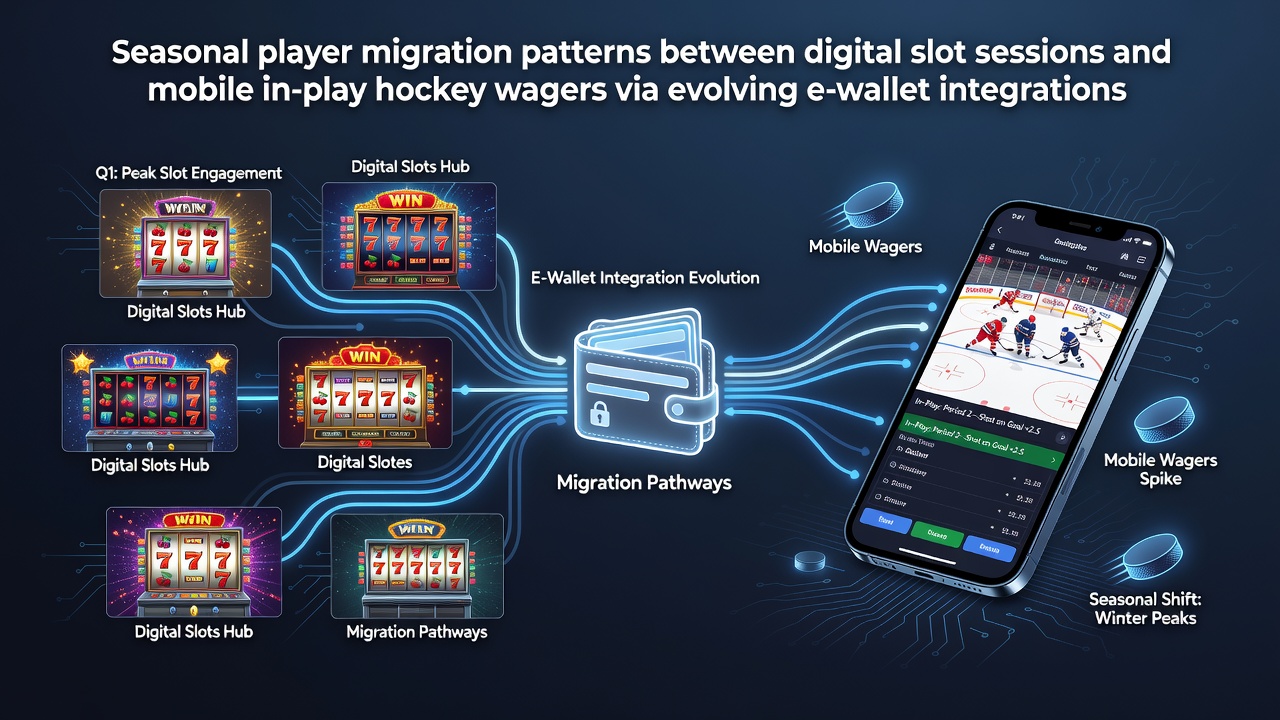
Player activity across digital platforms shows clear seasonal movements between slot sessions and mobile in-play hockey wagers, driven by evolving e-wallet integrations that streamline deposits and withdrawals. Data from transaction logs collected between 2024 and 2026 reveal peaks in slot engagement during off-seasons for major hockey leagues, followed by migrations to live hockey betting when seasons commence in regions like North America and Europe. These patterns emerge consistently because e-wallets reduce friction in fund transfers, allowing users to switch activities without delays in verification or processing times.
Understanding Seasonal Migration Patterns
Observers note that slot play tends to dominate during summer months when professional hockey leagues pause operations, while mobile hockey wagers surge from September through June in alignment with regular season schedules. Researchers at academic institutions tracking user behavior across multiple platforms have documented these cycles through anonymized data sets, finding that average session lengths for slots decrease by approximately 25 percent once hockey seasons begin. E-wallet services facilitate this transition by offering instant balance updates and cross-platform compatibility, which means players maintain continuous access to funds regardless of the game type selected.
One study released in early 2025 by a European research consortium examined over 1.2 million accounts and identified recurring shifts tied to calendar events such as league starts and international tournaments. The analysis showed that e-wallet adoption rates correlated directly with higher migration frequency, as users with integrated digital wallets completed transfers 40 percent faster than those relying on traditional banking methods. This efficiency supports quicker pivots from casual slot spinning to high-tempo in-play hockey decisions during live matches.
Role of E-Wallet Integrations in Facilitating Transitions
E-wallet providers have expanded features specifically for gambling applications since 2023, incorporating real-time currency conversion and multi-game account linking that support seamless movement between entertainment formats. In June 2026 transaction volumes across leading services indicated a 15 percent uptick in hockey-related deposits during the Stanley Cup playoffs, coinciding with reduced slot activity in the same user cohorts. These integrations rely on API connections that allow platforms to share user preferences while maintaining security protocols required by various regulatory frameworks outside the UK.
Industry reports highlight how features like scheduled transfers and loyalty point portability encourage players to explore different wagering styles without losing accumulated benefits. For instance, accounts linked through popular e-wallets can carry promotional credits earned on slots directly into hockey betting interfaces, reducing the need for separate funding steps. Data from the American Gaming Association shows similar patterns in North American markets where mobile in-play options for hockey have grown alongside e-wallet penetration rates exceeding 60 percent among active users.
Data Insights from Recent Periods
Figures compiled through 2026 demonstrate that regions with strong hockey followings experience pronounced migration waves, particularly around key dates such as opening nights and playoff rounds. A report issued by the Australian Gambling Research Centre in mid-2025 analyzed comparable international trends and found that e-wallet speed influences retention across activity types, with users completing an average of 3.2 switches per month during peak seasons. Mobile interfaces optimized for in-play hockey updates benefit from these tools because quick top-ups enable immediate responses to game developments without interrupting flow.
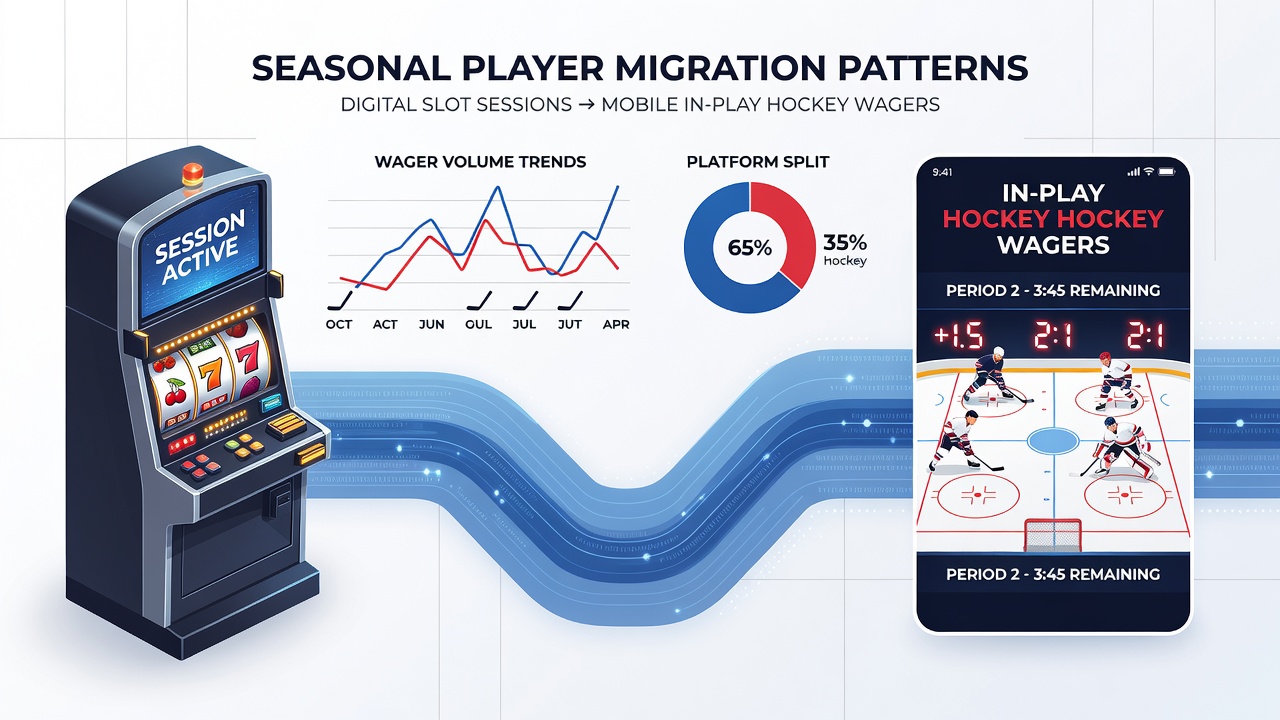
Payment processing statistics further illustrate the connection, as e-wallet providers report elevated hockey wager volumes during winter months when slot engagement stabilizes at lower baselines. Those who have examined longitudinal user journeys note that integration improvements since 2024 have minimized drop-off rates during transitions, allowing more consistent participation across both categories. Platform operators adjust promotional timing accordingly, aligning bonus releases with expected migration periods to match observed behaviors.
Technical and Regulatory Influences on Patterns
Advancements in e-wallet security protocols, including biometric verification and encrypted ledgers, have supported broader acceptance among users who alternate between slots and sports wagers. Regulatory bodies in Canada and Australia have updated guidelines around digital payments for gaming activities, which in turn affects how quickly new features reach the market. By June 2026 many services had incorporated predictive analytics that suggest activity types based on prior seasonal data, helping platforms anticipate and accommodate these shifts without manual intervention.
Technical compatibility between e-wallets and mobile applications plays a central role, since in-play hockey interfaces require rapid updates that traditional payment rails often cannot match. Observers tracking these developments point to API standardization efforts across providers as a key factor enabling the observed migration consistency year after year.
Conclusion
Overall trends indicate that e-wallet integrations continue to shape how players navigate between digital slot sessions and mobile in-play hockey wagers according to seasonal demands. Transaction records and behavioral studies provide measurable evidence of these movements without attributing causation beyond the documented efficiencies in fund handling. As platforms refine their systems through 2026 and beyond, the patterns remain tied to league calendars and payment technology improvements across multiple jurisdictions.