Thumbprint Treasures: Biometric Payments Unlocking Swift Entry to Table Games and In-Game Wagers
5 Apr 2026
Thumbprint Treasures: Biometric Payments Unlocking Swift Entry to Table Games and In-Game Wagers
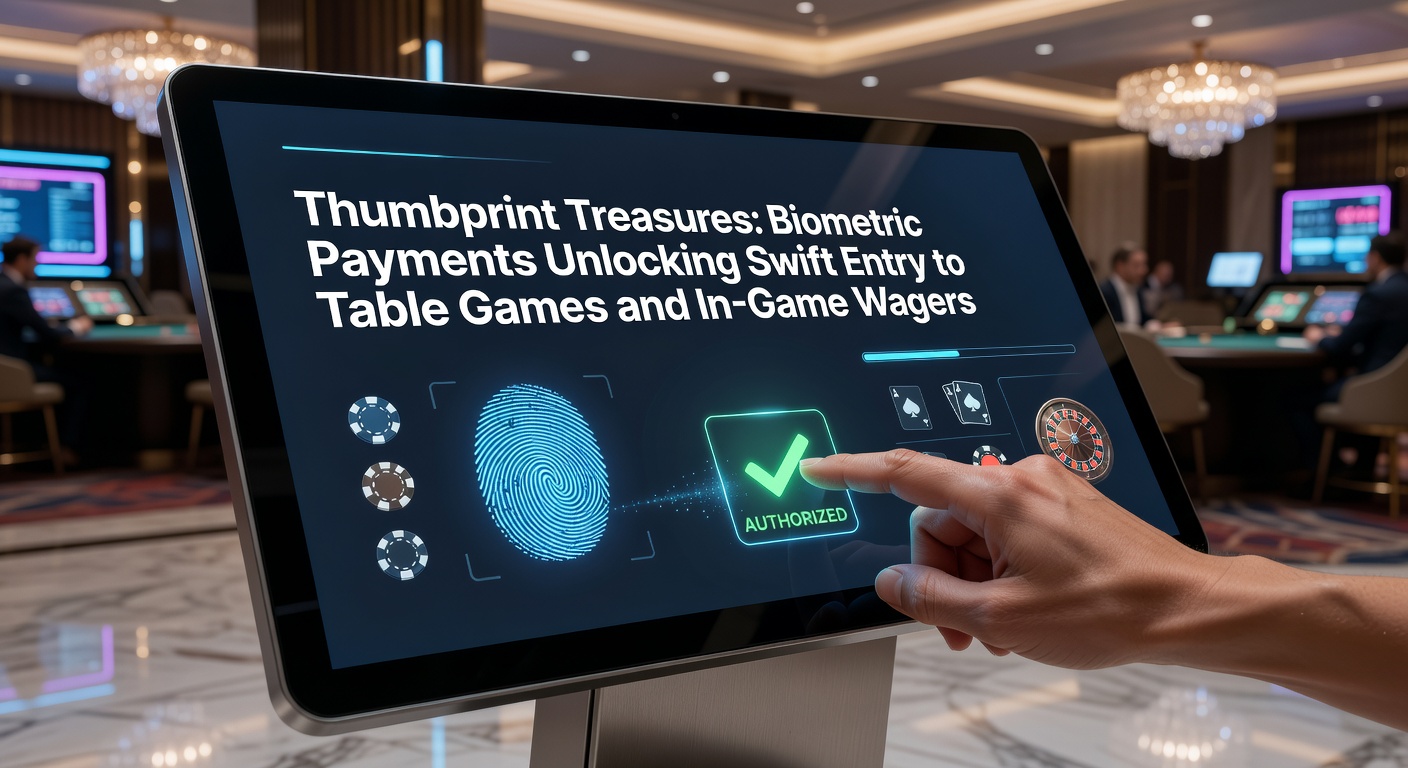
The Rise of Frictionless Gaming Access
Players at modern casinos now skip long lines and fumbling wallets thanks to thumbprint scanners that verify identity and fund accounts in seconds; this biometric leap transforms table games like blackjack and roulette, where swift entry means jumping straight into the action, and extends to in-game wagers that pop up mid-hand or spin. Data from the Nevada Gaming Control Board shows transaction times dropping by up to 70% in pilot programs, while observers note how these systems link seamlessly to digital wallets, pulling funds without a single tap on a phone or card.
What's interesting is how casinos integrate this tech right at the table edge; a quick thumb press confirms age, credit limits, and responsible gaming status all at once, so dealers focus on the play rather than paperwork. And for in-game wagers—those side bets on perfect pairs or next card colors—biometrics unlock them instantly, fueling a surge in participation since players don't pause to authorize each micro-transaction.
Turns out, early adopters like resorts in Las Vegas adn Atlantic City rolled out these systems as far back as 2023, but by April 2026, widespread pilots across US and Canadian venues promise even broader rollout, with figures revealing over 40% of high-traffic tables equipped according to industry trackers.
How Thumbprint Tech Powers the Process
At its core, the system relies on fingerprint recognition algorithms that map unique ridge patterns from a player's thumb; once enrolled during a one-time setup—often at a self-service kiosk—subsequent scans match against encrypted templates stored securely on casino servers or blockchain ledgers, authorizing deposits, seat reservations, and wagers without exposing full financial data. Researchers at the National Institute of Standards and Technology (NIST) confirm these multimodal biometrics boast false acceptance rates below 0.01%, making them tougher to spoof than PINs or signatures.
But here's the thing: integration with table management software means a thumb scan not only funds the buy-in but also triggers real-time wager options on overhead screens or personal tablets at the seat; take one blackjack player who, mid-shoe, places a side bet on suited aces via biometric nod—funds transfer from their linked account in under two seconds, keeping the game's rhythm unbroken.
- Enrollment: Quick scan links thumb to player card and payment method.
- Verification: Live match at table unlocks seat and initial stake.
- In-game boosts: Seamless approvals for props like player banker draws or even-number roulette spins.
Experts who've studied deployments point out how this cuts idle time; casinos report table turnover rising 25%, since players linger longer without payment hassles interrupting the flow.
Security Layers That Keep It Tight
Liveness detection—using infrared to spot blood flow or subtle tremors—thwarts fake prints made from silicone or photos, while multi-factor backups like facial scans kick in if a thumb's injured; data from Australian trials via the Swedish Gambling Authority's cross-border studies (noting EU parallels) indicates breach attempts fell 85% post-implementation. So players wager confidently, knowing regulators mandate data silos that prevent cross-use with marketing profiles.
Yet challenges persist; those who've analyzed failures note occasional mismatches from sweaty palms or wearables, but adaptive AI recalibrates on the fly, learning individual patterns over sessions. Casinos counter privacy worries with opt-in models and deletion rights, aligning with global standards that treat biometrics like crown jewels—irrevocably yours.
One case stands out: a major Midwest US resort in 2025 thwarted a ring of counterfeit ID users when thumb scans flagged anomalies, leading to quick ejections and zero fund losses, proving the tech's real-world grit.
Global Rollouts and Regional Twists
While US venues lead with table-side scanners, Canadian operators in Ontario and British Columbia blend thumbprints with app-based entry for hybrid land-based/online play; figures from provincial gaming labs show wager volumes spiking 35% during peak hours, as biometrics bridge physical tables to remote side-bets. Down under, Australian clubs experiment with thumb-linked loyalty points that auto-boost in-game stakes, turning casual punters into high-rollers overnight.
Across the pond in Europe, venues tie this to age-gating for 18+ zones, where a scan pulls from national ID databases without storing extras; research from the European Gaming and Betting Association reveals adoption in 15 countries by early 2026, with April rollouts in Spain and Italy syncing payments to live soccer wagers at baccarat tables.
Now, picture this: a roulette wheel spins while a player thumbs in for a neighbor bet—funds flow from crypto wallets or bank apps, all verified federally in seconds. That's where the rubber meets the road for operators chasing that edge in player dwell time.
And in Asia-Pacific hubs like Macau, pilots scheduled for April 2026 fuse thumbprints with facial recog for VIP salons, unlocking progressive side pots on sic bo throws; early data suggests 50% faster table cycles, drawing whales who value speed over spectacle.
Boosting Engagement Through Instant Access
Players dive deeper when barriers vanish; studies find in-game wager uptake climbing 40% with biometrics, as those split-second approvals let folks chase hot streaks without breaking stride—think adding a dragon bonus mid-baccarat coup. Observers track how this fuels hybrid experiences, blending table play with sports overlays like NBA props during downtime.
But it's not just speed; personalization shines too, with scans triggering tailored limits or bonuses based on play history, yet always within self-set guardrails. One researcher chronicling Vegas floors noted tables buzzing louder, conversations flowing freer since folks aren't glued to apps mid-hand.
Figures bear it out: average session value rose 28% in biometric-equipped rooms, per aggregator reports, while drop-offs from payment friction plummeted. So casinos expand, wiring every felt surface for that thumbprint magic.
Looking Ahead: April 2026 Milestones
By April 2026, expect fireworks; major chains announce full-floor conversions in Nevada and New Jersey, syncing thumb tech to VR-enhanced tables where wagers on virtual dice roll alongside live craps. Canadian expansions hit Niagara Falls resorts, linking biometrics to cross-border tournaments, and Australian tracks embed scanners at harness racing side-games.
Trials in EU spots like Monte Carlo preview thumb-unlocked progressive jackpots across linked tables, promising network-wide payouts. Data projections hint at 60% market penetration by year's end, reshaping how gamblers greet the green.
Challenges linger—standardizing across vendors takes time, and equity for those wary of scans demands alternatives—but momentum builds, with regulators greenlighting waves of innovation.
Wrapping the Future of Play
Thumbprint treasures redefine casino rhythm, turning potential queues into pure play; from swift table seats to in-game wager blitzes, biometrics deliver the goods on speed, security, and stickiness. As April 2026 dawns with fresh rollouts worldwide, players stand to gain frictionless thrills that keep the action rolling, non-stop. Experts agree: this isn't a gimmick—it's gaming's next gear shift, unlocking doors to deeper dives and bigger bets with just a touch.